Fleks
Bringing structure, clarity and scalability to a complex workforce platform
Category
Software
Client
Fleks Works
Date
Sep 1, 2023
Context
Bringing structure, clarity and scalability to a complex workforce platform
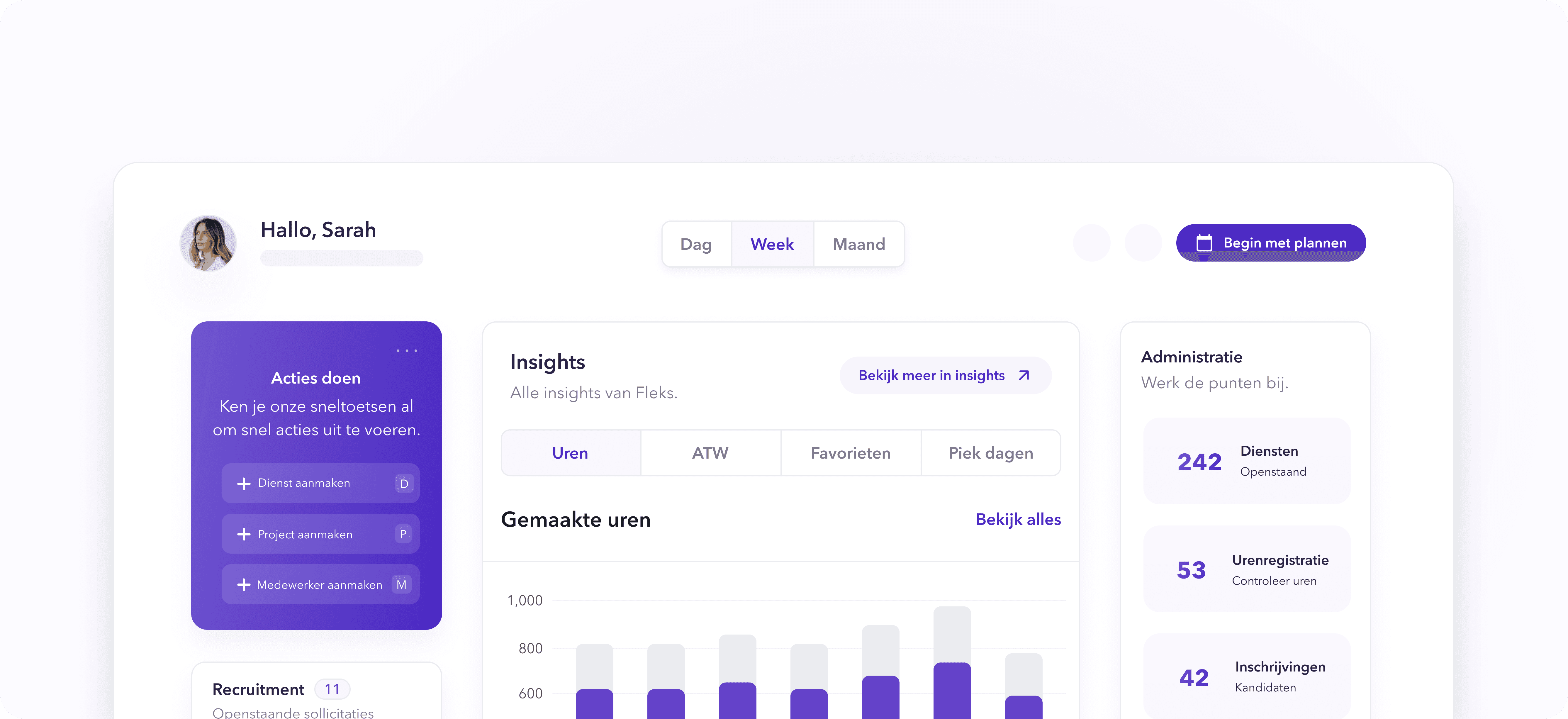
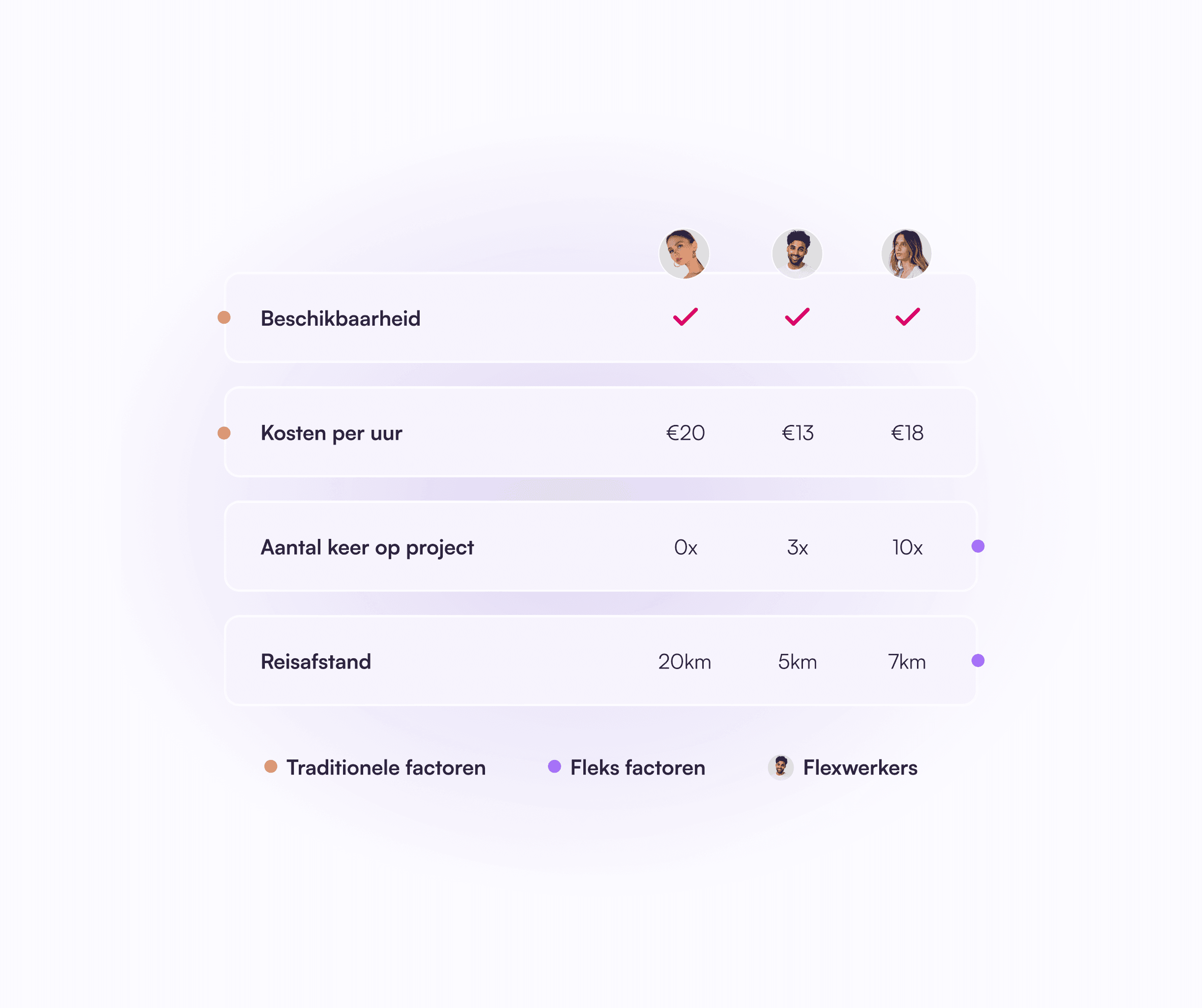
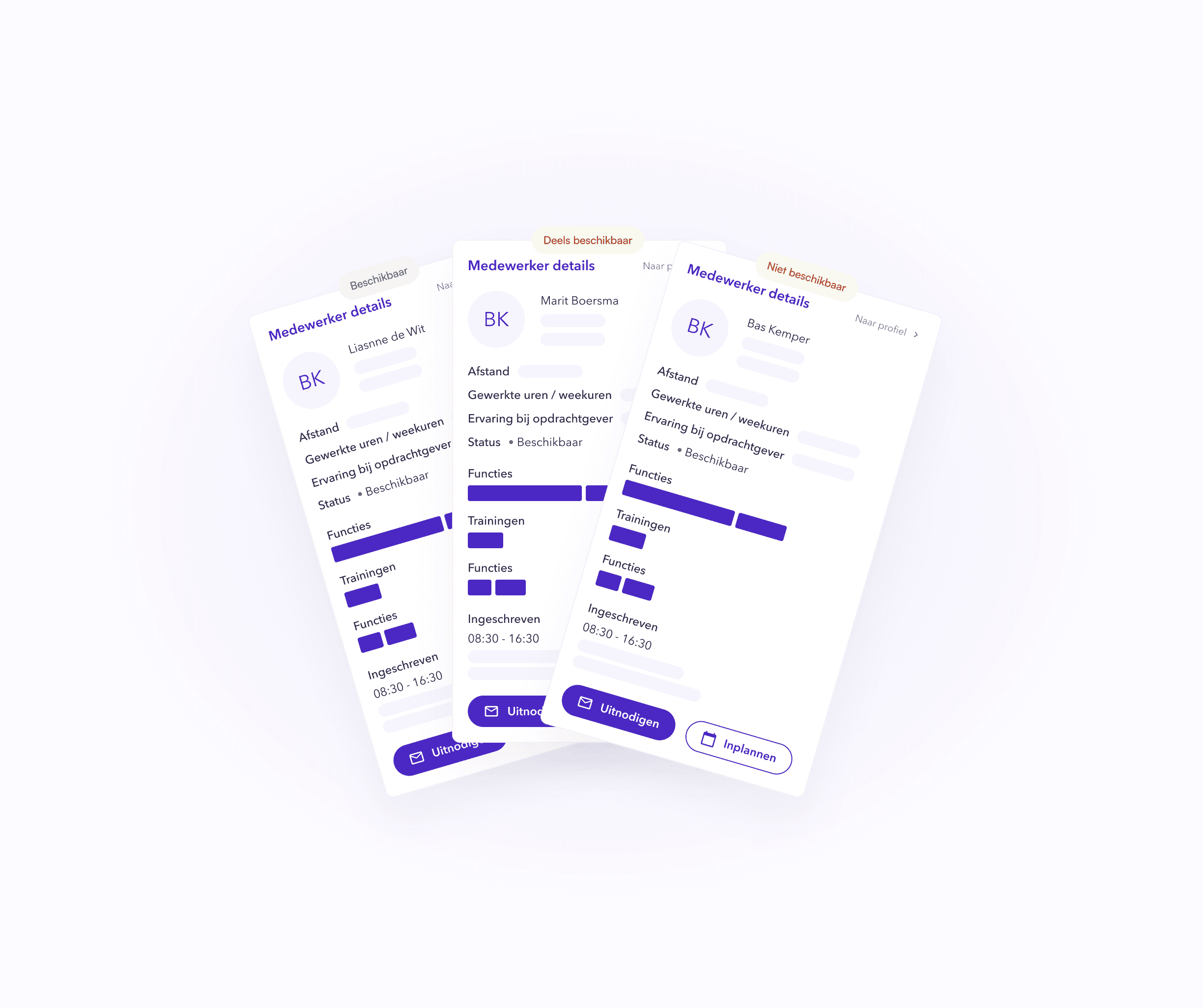
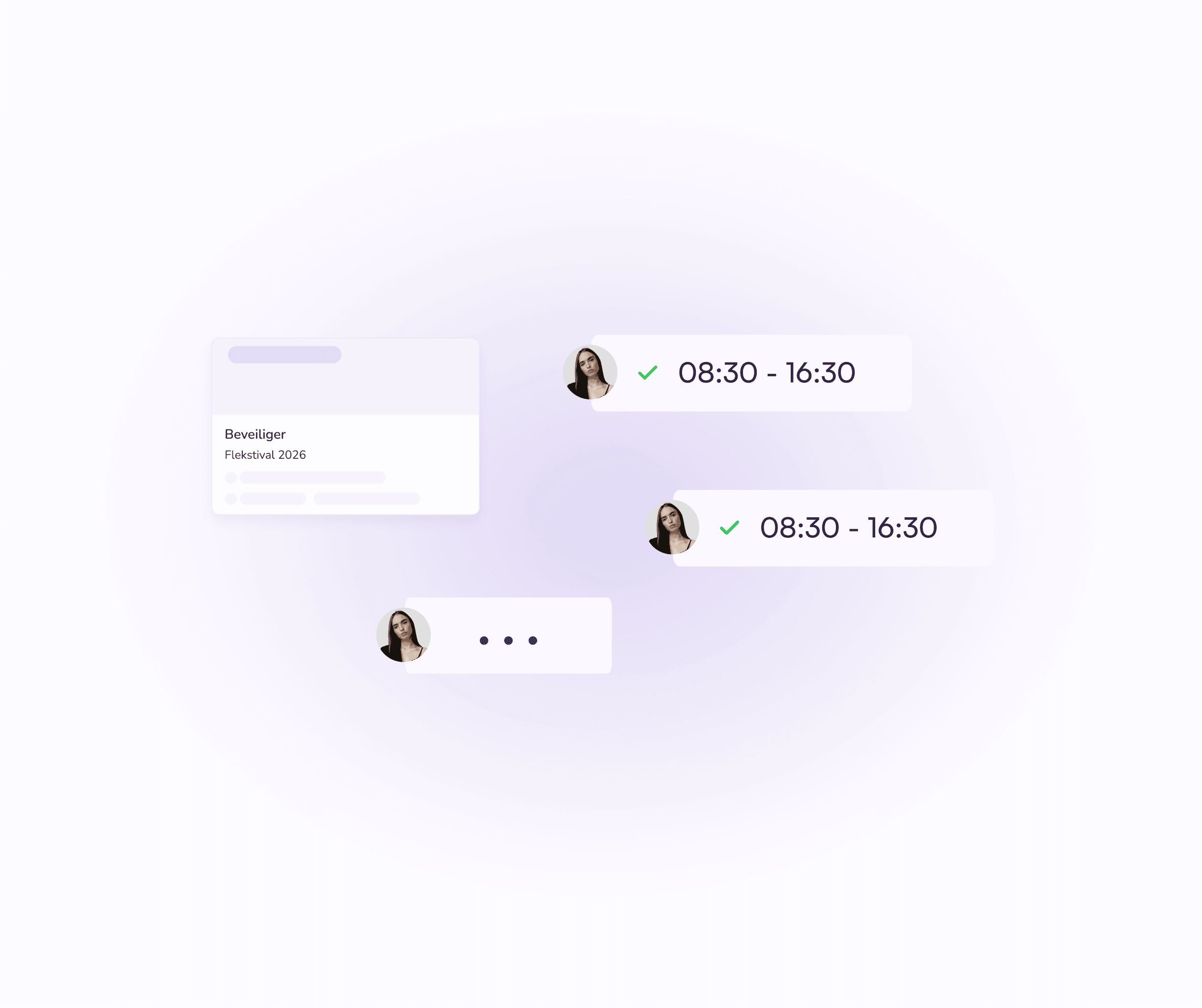
Fleks is a workforce planning platform for organizations working with flexible teams and dynamic schedules. It enables planners to quickly understand availability and capacity, helping them make faster and more informed decisions.
The platform is used by 10K+ users across 100+ companies.
When I joined as the sole designer, the product had been in development for years. Due to growth, technical decisions and internal changes, it was functional, but lacked consistency, structure and a clear product direction.
The problem
A product that grew in complexity, without a system to support it
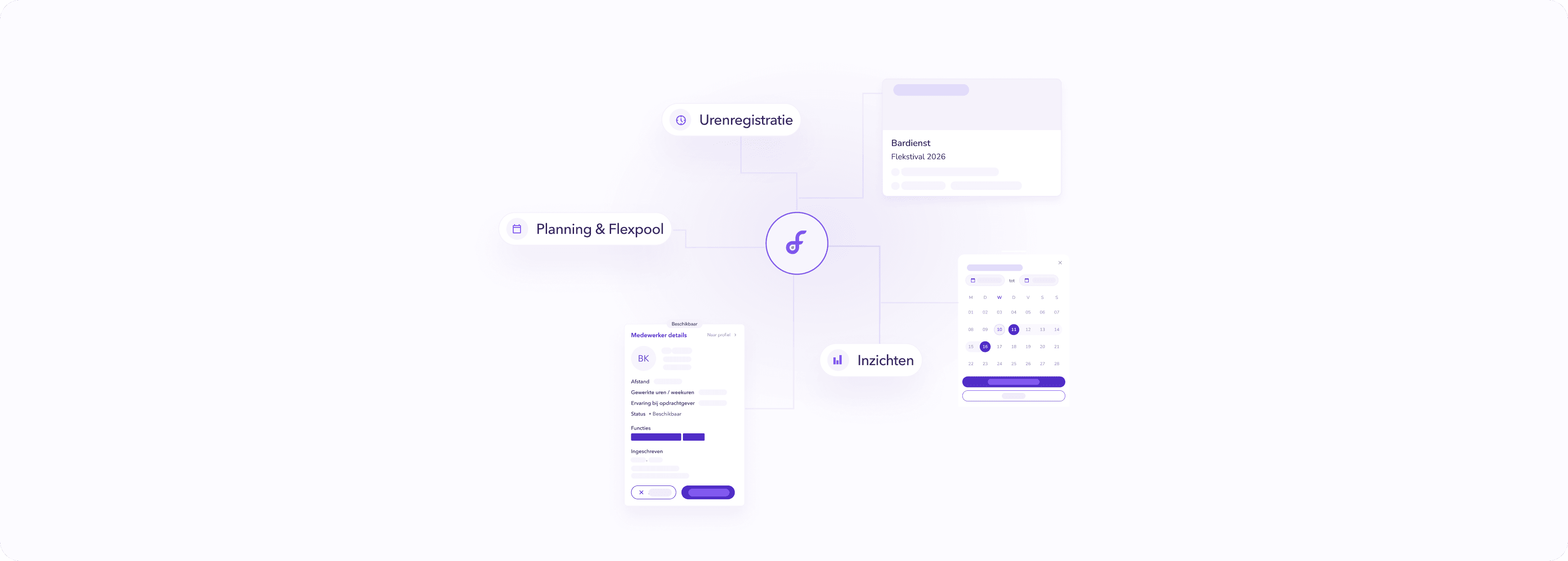
As the product evolved, new features were added without consistent UX patterns. Each addition solved a specific problem, but introduced new complexity across the system. The interface became fragmented and increasingly technical, while users needed clarity, predictability and control.
This not only made the product harder to use, but also harder to scale and develop further. The real issue wasn’t individual screens, but the absence of an underlying structure guiding how the product grows.
Insights
The real issue wasn’t the interface, but the lack of underlying logic
The problem wasn’t how the product looked, but how it behaved beneath the surface.
Features were individually logical, but lacked cohesion. As a result, every new addition increased complexity instead of simplifying the experience.
Users, planners working under time pressure, don’t need more options. They need clarity, predictability and control.
Without clear patterns and a shared structure, it became increasingly difficult to:
build new features in a logical way
maintain consistency
create an intuitive product experience
This made it clear that the solution wasn’t improving individual screens, but introducing an underlying logic that defines how the product works and evolves.
Approach
Introducing structure without slowing down development
Instead of a full redesign, I introduced a phased approach that allowed the product to evolve without interrupting development.
The goal wasn’t to redesign everything, but to gradually introduce structure within an active and complex system.
I focused on:
analyzing and simplifying existing flows
identifying and standardizing recurring patterns
building new features based on a clear logic
improving visual hierarchy and clarity within existing screens
Each iteration became an opportunity to make the product more consistent, instead of more complex.
In parallel, I started building a design system to ensure decisions were no longer made in isolation, but based on a shared foundation.
Product improvements
From fragmented features to a consistent experience
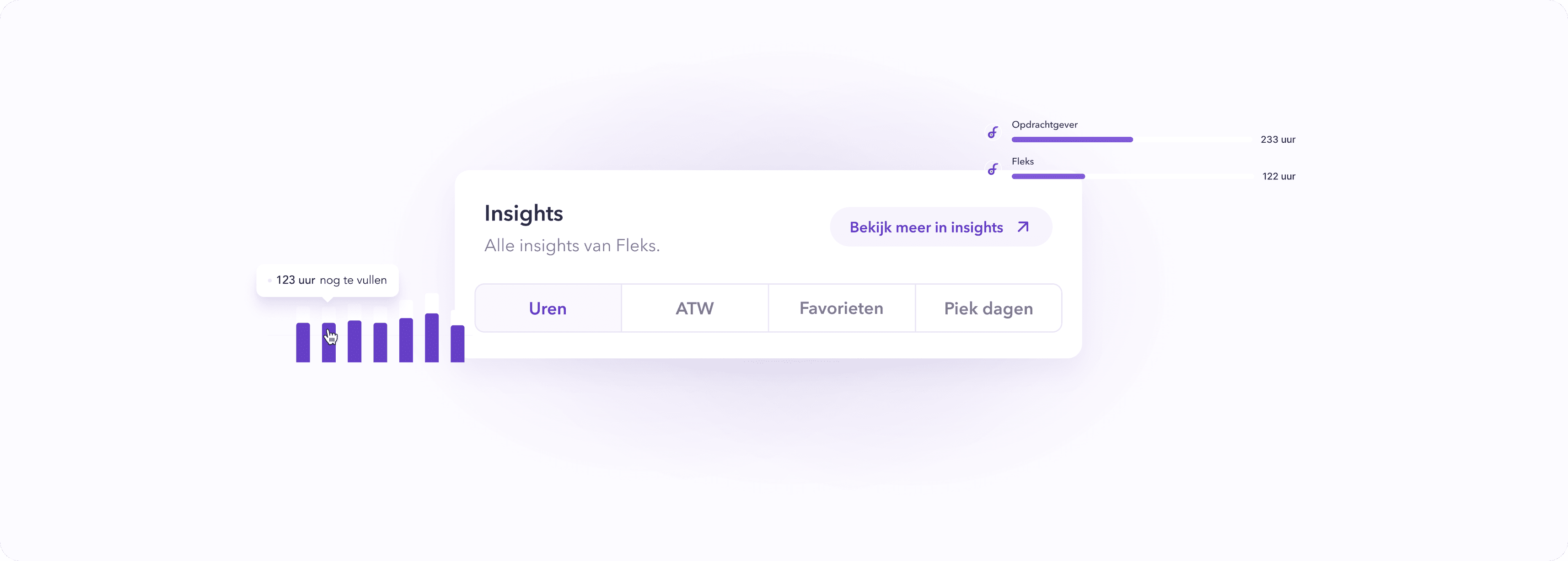
Without consistent patterns, the product felt unpredictable. Each feature introduced its own logic, forcing users to constantly re-learn how things worked.
My focus was to bring back clarity and recognition across the product, without losing the flexibility required for a dynamic planning tool.
I worked on:
introducing consistent interaction patterns across the platform
simplifying complex flows into clear, logical steps
improving visual hierarchy for faster scanning
restructuring screens to make actions and decisions more intuitive
The result was a product that feels less like a collection of features, and more like a cohesive system.
For users, this means:
less cognitive load
faster understanding of tasks and flows
more confidence when using the product
For the team, this means:
faster feature development
fewer design inconsistencies
a clearer foundation to build on
App & design system
Building a scalable foundation for product growth
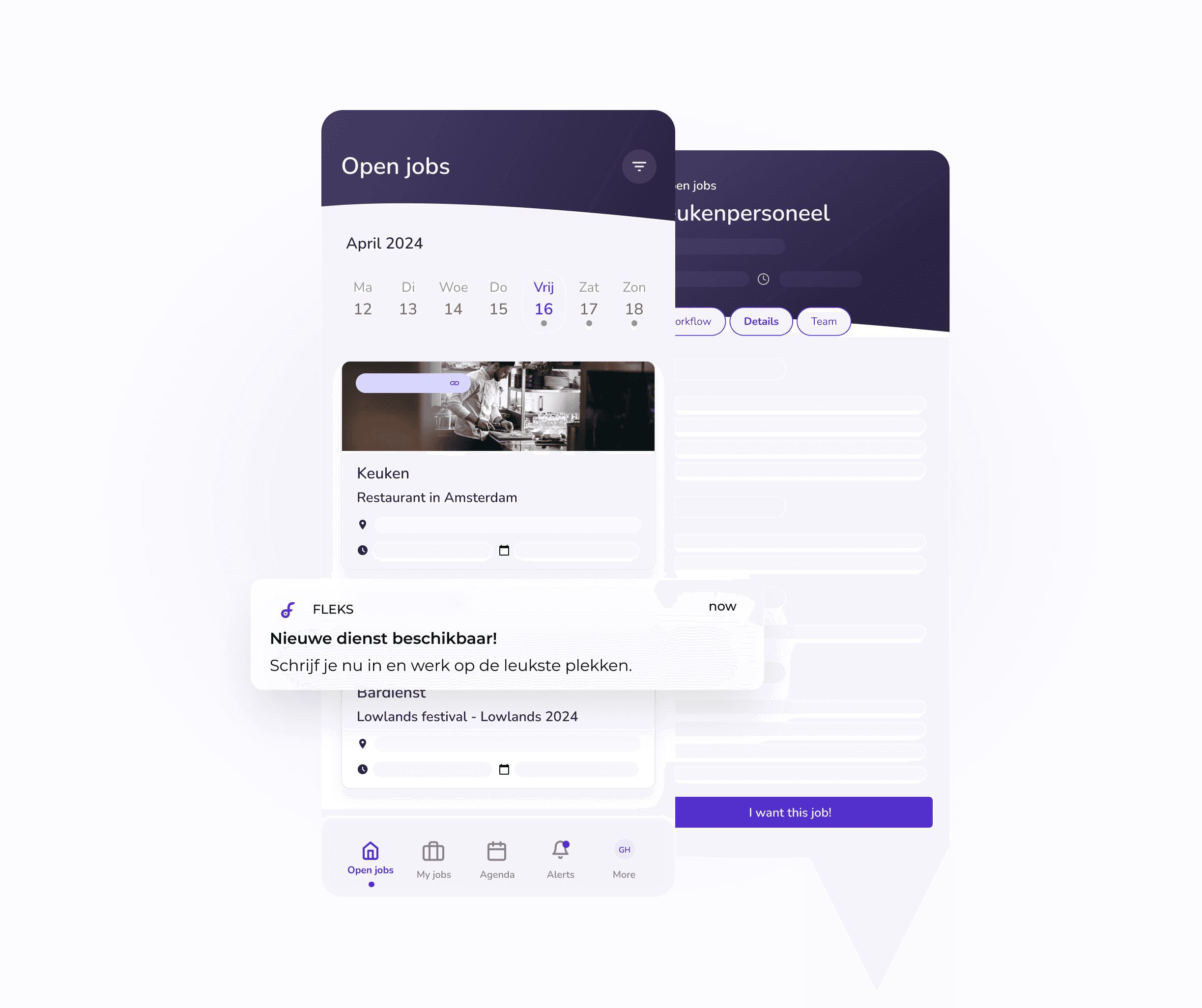
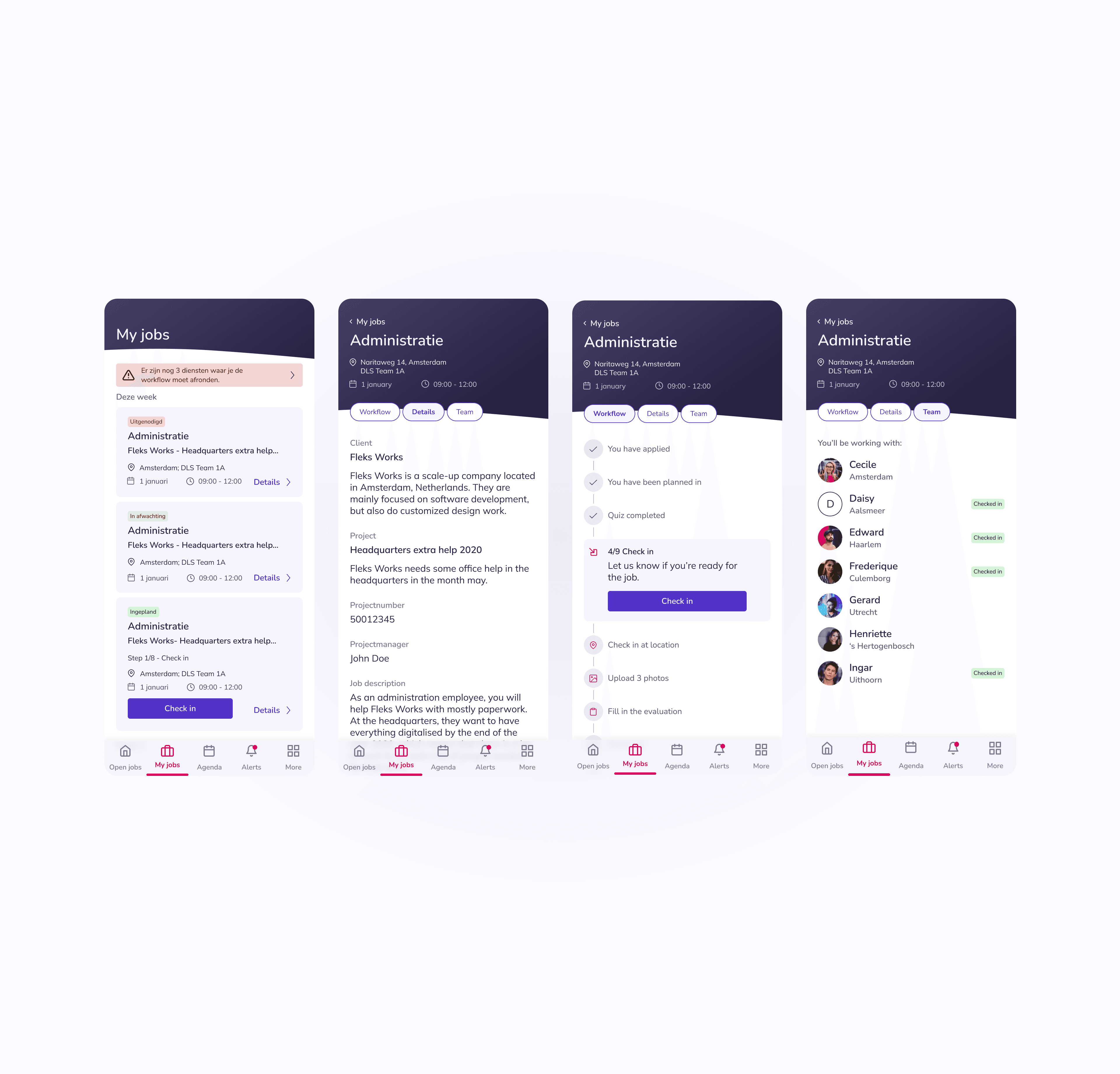
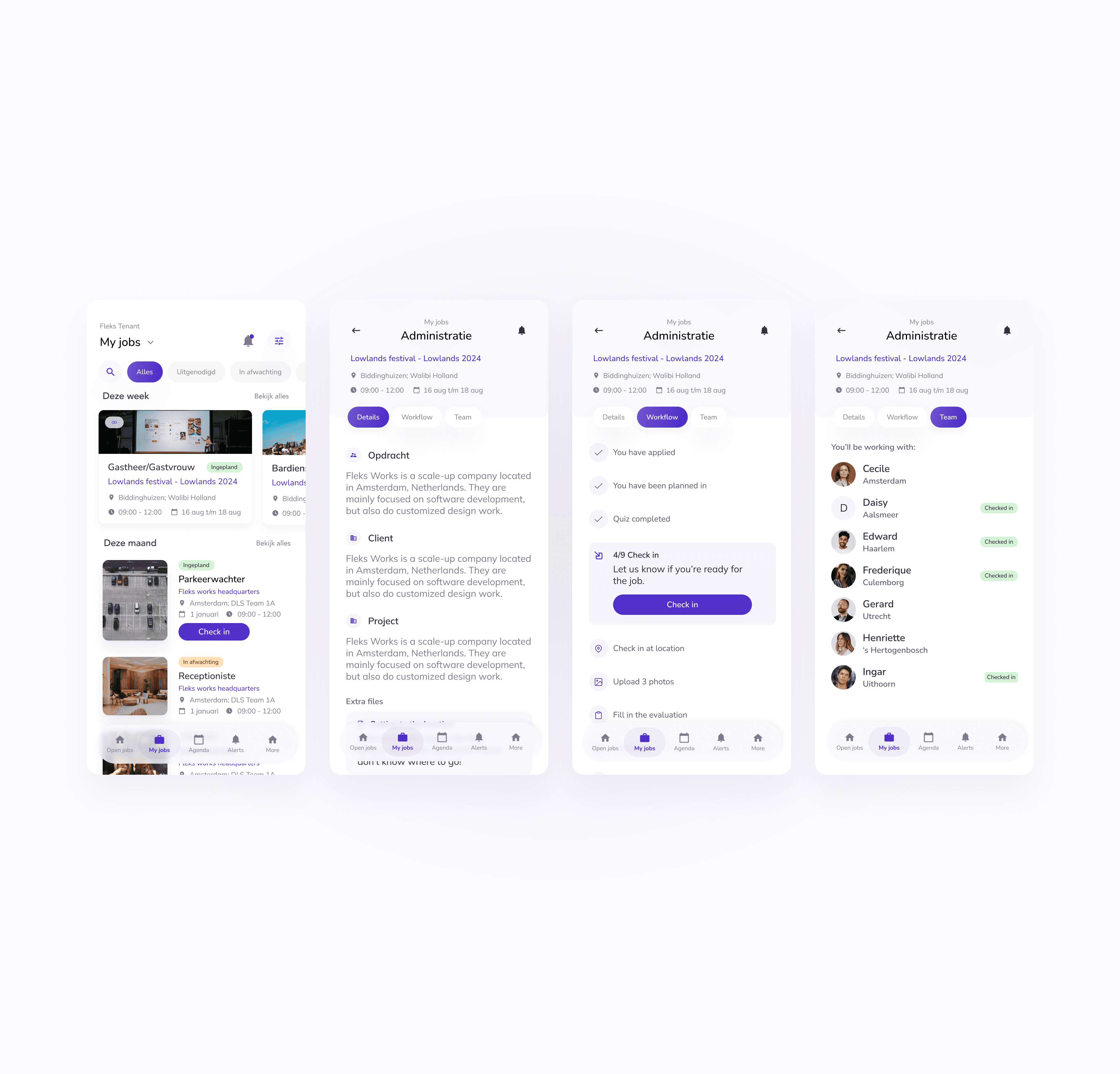
The existing app no longer matched the growth of the product. Features had expanded, but the experience remained inconsistent and difficult to maintain.
Instead of incremental improvements, I redesigned the app to rebuild the experience from the ground up, focusing on clarity, simplicity and consistency.
In parallel, I created a design system in Figma to support long term scalability.
This included:
reusable components and variants
color variables and consistent styles
typography and spacing rules
clear interaction patterns
This shifted design from creating screens to building a system.
As a result:
design and development became more aligned
new features could be built faster and more consistently
less time was spent reinventing solutions
Website & growth
Translating the product into a clear, findable and conversion focused experience
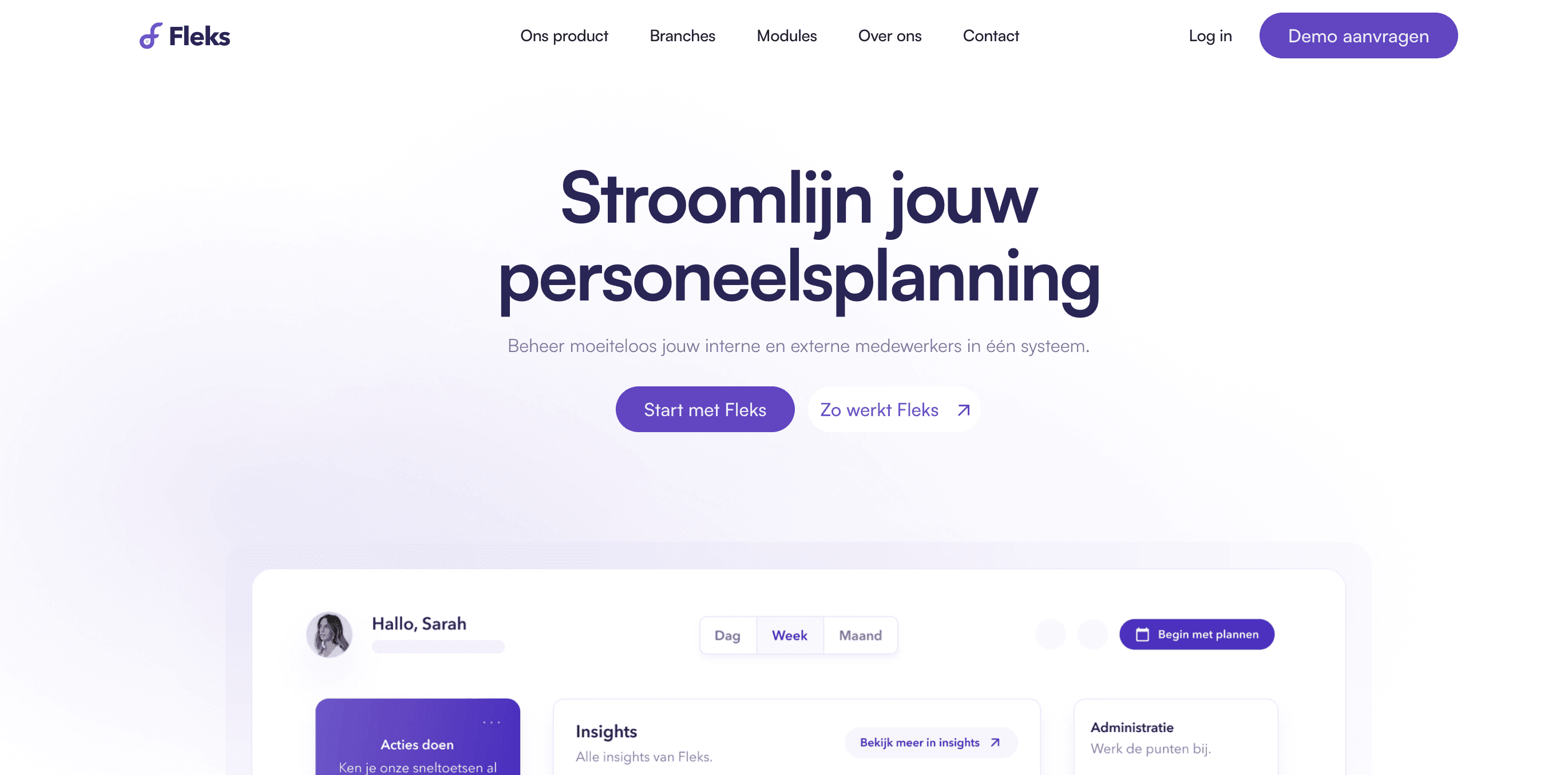
Alongside the product, I redesigned and built the Fleks website in Framer.
The goal was not only to improve how the product looks, but how it is understood and discovered.
I translated a complex product into a clear and structured story, focusing on:
simplifying how features are explained
improving content hierarchy and page structure
aligning the visual language with the product
optimizing pages to be more findable and easier to navigate
By combining design, structure and SEO thinking, the website became a stronger extension of the product, both in clarity and in reach.
Feature deep dive (Finance)
Simplifying complex workflows into clear user flows
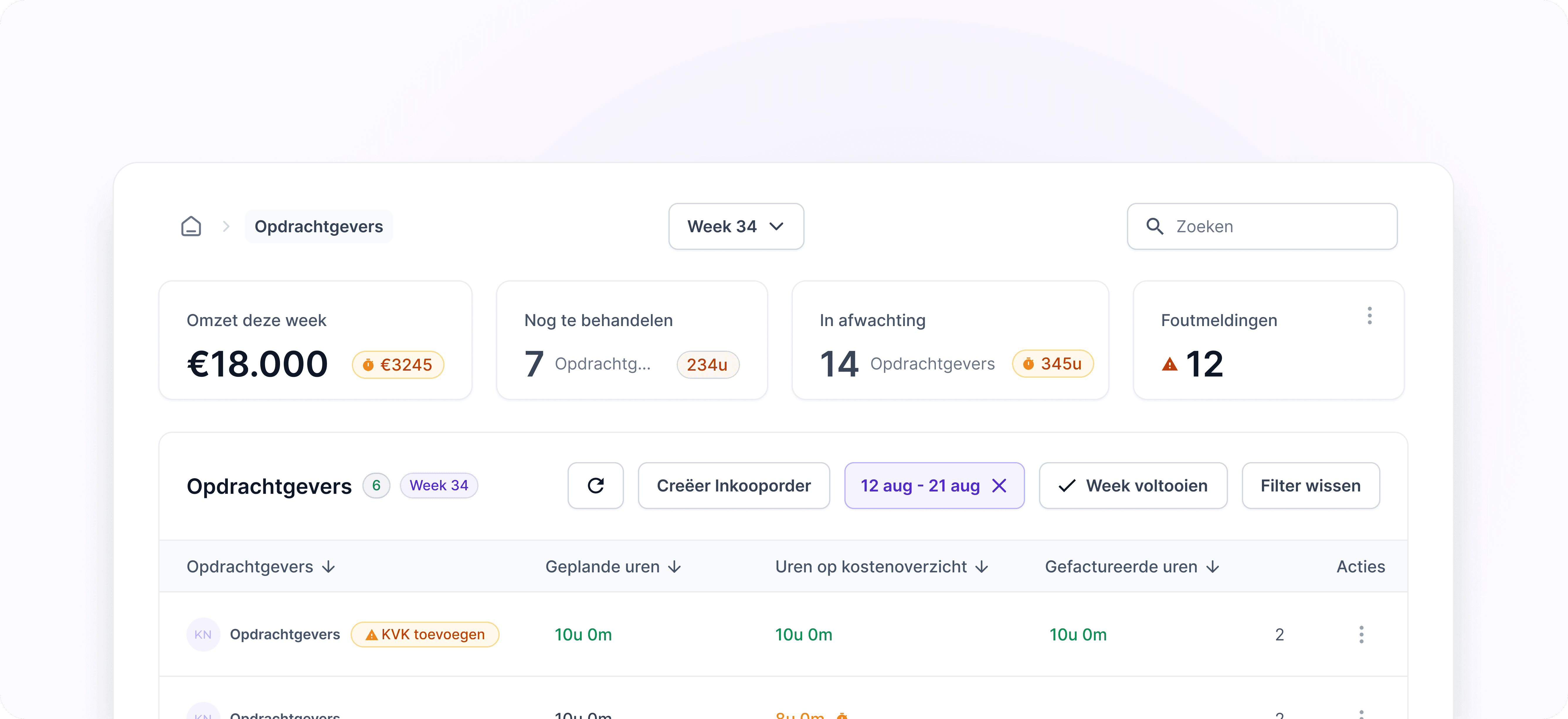
Fleks Finance is a naturally complex part of the product, involving multiple dependencies, rules and edge cases.
In its original state, the experience felt fragmented and difficult to understand. Users had to interpret the system themselves in order to complete tasks.
My approach was not to hide complexity, but to structure it.
I redesigned the experience into a clear flow, where:
complex actions are broken down into logical steps
information is grouped based on context and relevance
actions are clearly tied to specific moments in the flow
visual hierarchy supports faster decision making
This transformed a technical process into a clear and usable experience.

Impact
Creating clarity for users and momentum for the product
The changes didn’t just improve the product, but also how the team works with it.
For users:
more clarity and control within a complex system
reduced cognitive load
faster understanding of workflows
For the team:
a stronger foundation for new features
fewer design discussions
faster translation from idea to implementation
By introducing structure and a design system, the product became more consistent, scalable and ready for further growth.
Fleks is evolving into a mature and competitive platform, where design plays a key role in shaping how the product develops.